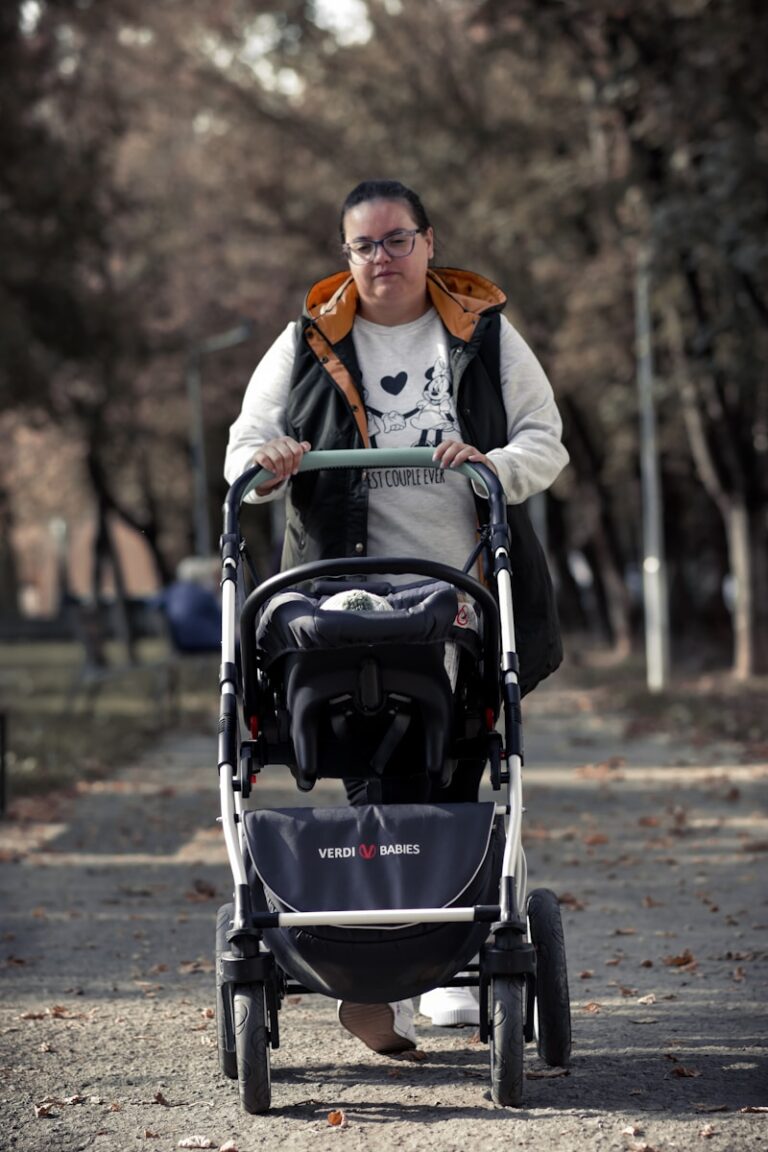

Stroller vs Pram: 7 Key Differences Every Parent Must Know
Choosing between a stroller vs pram is one of the first major decisions parents face — and it’s also one of the most confusing. The terms are often used interchangeably, online advice is contradictory, and many first-time parents worry about making an expensive mistake.
While strollers and prams may look similar, they are designed for very different stages of a baby’s development, and choosing the wrong one can affect comfort, safety, storage, and even your daily routine.
In this in-depth guide, we’ll break down the real difference between a stroller and a pram, explain when each option makes sense, compare them by baby age, lifestyle, safety, cost, and space, and help you confidently decide which one is right for you.

What Is a Pram?
A pram (short for perambulator) is designed specifically for newborns and very young babies, typically from birth up to around 6 months.
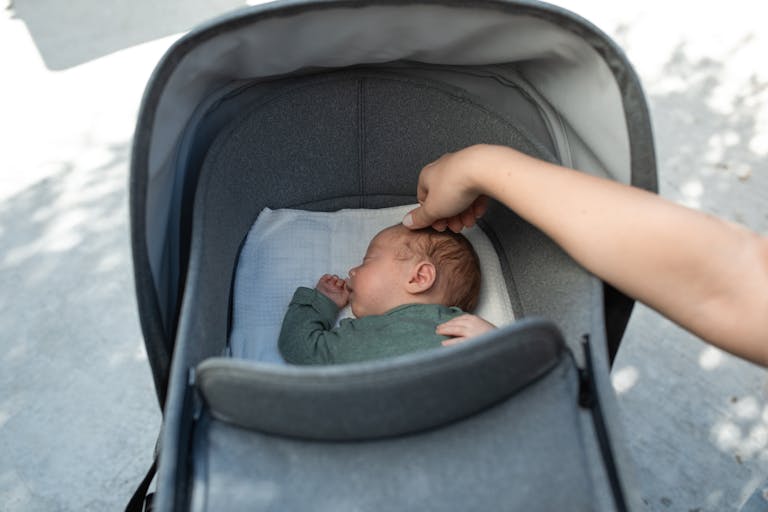
Unlike strollers, prams allow babies to lie completely flat, which is essential for healthy spinal, neck, and lung development during the newborn stage.
Key Features of a Pram
- Fully flat sleeping surface
- Bassinet or carrycot design
- Baby lies facing upward or parent-facing
- Deep sidewalls for wind and weather protection
- Large wheels and strong suspension
Because newborns sleep for most of the day, prams are often described as portable cribs on wheels.
Pros and Cons of Using a Pram
✅ Pros of a Pram
- Safest option for newborns
- Encourages healthy spinal development
- Excellent shock absorption
- Ideal for long outdoor naps
- Often very sturdy and stable
❌ Cons of a Pram
- Bulky and heavy
- Takes up a lot of storage space
- Difficult to fold and transport
- Short usage period (usually 4–6 months)
- Often more expensive
What Is a Stroller?
A stroller is designed for babies who can sit upright, usually from 6 months onward. However, many modern strollers include full recline or bassinet attachments, making some models suitable from birth.
Strollers are the most common choice for parents because they are lightweight, versatile, and designed for daily life.
Key Features of a Stroller
- Upright or reclining seat
- Lightweight and foldable design
- Forward-facing or parent-facing options
- Compact build for errands and travel
Pros and Cons of Using a Stroller
✅ Pros of a Stroller
- Lightweight and easy to carry
- Compact folding for small cars
- Suitable for toddlers and older babies
- Wide range of prices and styles
- Long-term use (up to 3–4 years)
❌ Cons of a Stroller
- Not all strollers are safe for newborns
- Less cushioning than prams
- Budget models may lack suspension
you can check our other detailed blog:
Best Strollers for Small Cars and Apartments
Stroller vs Pram: Side-by-Side Comparison
| Feature | Pram | Stroller |
|---|---|---|
| Suitable Age | Newborn–6 months | 6 months–4 years |
| Sleeping Position | Fully flat | Upright / Reclined |
| Portability | Low | High |
| Storage Needs | Large | Compact |
| Travel-Friendly | ❌ | ✅ |
| Longevity | Short-term | Long-term |
This table alone explains why many parents struggle when deciding between a stroller vs pram.
Stroller vs Pram by Baby Age: What Pediatricians Recommend
Choosing between a stroller vs pram becomes much clearer when you factor in your baby’s age and physical development. Pediatric experts emphasize that newborns need a flat, supportive surface to protect their developing spine and airway.
Newborns (0–3 months)
During the first three months, babies lack neck and head control. A pram is strongly recommended because it allows a baby to lie completely flat, reducing pressure on the spine and supporting healthy breathing. Using a standard stroller at this stage can increase the risk of poor posture and discomfort.
Babies (3–6 months)
At this stage, babies begin developing neck strength but still require substantial support. Parents can either continue using a pram or switch to a stroller that fully reclines or includes a bassinet. In the stroller vs pram debate, this is often the transition phase.
Babies (6–12 months)
Once babies can sit independently, a stroller becomes the safer and more practical choice. Strollers allow babies to interact with their surroundings while remaining securely harnessed.
Toddlers (1–3 years)
Prams are no longer suitable. A stroller offers durability, safety harnesses, and flexibility for naps, errands, and travel.
Stroller vs Pram by Baby Age (DETAILED)
Newborn (0–3 Months)
At this stage, babies must lie flat. Pediatricians recommend avoiding upright positions for extended periods.
✔ Best option: Pram or stroller with bassinet
✘ Avoid: Upright or partially reclining strollers
A pram provides proper spinal alignment and allows longer, safer sleep during walks.
3–6 Months
Babies gain some neck strength but still need strong support.
✔ Best option: Pram or fully reclining stroller
✔ Acceptable: Travel system with bassinet
This is often the transition stage where parents begin considering switching.
6–12 Months
Babies can sit independently and enjoy looking around.
✔ Best option: Stroller
✔ Optional: Parent-facing stroller seat
This is where strollers clearly outperform prams in terms of usability.
1–3 Years
Toddlers need comfort, safety, and durability.
✔ Best option: Stroller
✔ Look for: Strong harness, suspension, sun canopy
At this stage, prams are no longer practical.
Which Is Better: Stroller or Pram?
There is no universal winner in the stroller vs pram debate — the best choice depends on your lifestyle.
Choose a Pram If:
- You have a newborn
- You enjoy long daily walks
- You want uninterrupted outdoor naps
- Storage space is not an issue
Choose a Stroller If:
- Your baby is 6 months or older
- You live in an apartment
- You travel frequently
- You want one product for years
Stroller vs Pram Based on Your Lifestyle
Your daily routine plays a major role in deciding between a stroller vs pram. The right choice depends on how and where you’ll use it most.
Apartment Living
Strollers are easier to fold, store, and maneuver in tight spaces. Prams may feel bulky in elevators and hallways.
City & Public Transport Users
Lightweight strollers perform better on buses, trains, and sidewalks. Carrying a pram up stairs can be challenging.
Suburban or Outdoor Walkers
Prams with larger wheels and strong suspension provide smoother rides on uneven surfaces, making them ideal for long outdoor walks.
Frequent Travelers
Strollers are far more travel-friendly. Many models fold compactly and meet airline carry-on requirements.
The Smart Middle Ground: Stroller–Pram Travel Systems
A travel system combines a stroller frame with a bassinet or infant car seat, offering the benefits of both a stroller and a pram.
What a Travel System Includes
- Stroller frame
- Bassinet or fully reclining seat
- Optional infant car seat
Why Parents Love Travel Systems
- Suitable from birth to toddler years
- Saves money long-term
- No need to buy separate products
For detailed Article on Best Travel System strollers check this out:
Best Travel System Strollers for New Parents
Best Stroller vs Pram Options (Amazon Picks)
Best Pram-Style Option for Newborns
Chicco Bravo Bassinet Stroller
- Fully flat bassinet
- Excellent suspension
- Safe from birth
Best Lightweight Stroller (6 Months+)
Summer Infant 3Dlite Convenience Stroller
- Ultra-lightweight
- Compact fold
- Ideal for travel
Best Stroller–Pram Combo
Graco Modes Travel System
- Converts from bassinet to toddler seat
- Includes infant car seat
- Excellent value for money
Safety Differences Between a Stroller and a Pram
Pram Safety
- Flat, firm mattress
- Deep sidewalls
- Stable wheelbase
- Designed for extended sleep
Stroller Safety
- 5-point harness
- Lockable wheels
- Adjustable recline
- Braking system
⚠ Important: Never place a newborn in a stroller that does not fully recline or include a bassinet.
You must checkout the safety checklist Below:
Stroller Safety Checklist: What to Look for Before Buying
Cost Comparison: Stroller vs Pram
| Option | Average Cost |
|---|---|
| Pram | $250–$700 |
| Stroller | $100–$400 |
| Travel System | $300–$800 |
Affiliate insight: Parents searching “stroller vs pram” convert best on travel systems, not standalone prams.
Stroller vs Pram for Small Cars & Apartments
If you live in a small space:
- Strollers fold smaller
- Prams often don’t fit compact trunks
- Lightweight strollers are easier to store
Below is a Detailed Must Read for the best strollers for small cars and Apartments:
Best Strollers for Small Cars and Apartments
Lifestyle-Based Recommendations
City Living
Compact stroller or travel system
Suburban / Outdoor Living
Pram or all-terrain stroller
Frequent Travelers
Lightweight stroller with one-hand fold
C-Section Recovery
Pram or bassinet stroller (less lifting)
Common Buying Mistakes Parents Make
- Buying a stroller too early
- Assuming all strollers are newborn-safe
- Ignoring car boot size
- Overpaying for premium prams
- Skipping safety certifications
Avoiding these mistakes can save hundreds of dollars.
Common Stroller vs Pram Buying Mistakes Parents Make
Many parents regret their purchase because they didn’t fully understand the difference between a stroller vs pram before buying.
- Buying a stroller that isn’t newborn-safe
- Assuming all prams last beyond six months
- Ignoring car boot and storage space
- Choosing style over safety
- Overspending on premium prams without long-term value
Avoiding these mistakes can save money and frustration.
Frequently Asked Questions (FAQ)
What is the main difference between a stroller and a pram?
The main difference in the stroller vs pram comparison is sleeping position: prams allow babies to lie flat, while strollers are designed for sitting or reclining.
Is a stroller safe for newborns?
Only if it fully reclines or includes a bassinet.
Can I skip buying a pram?
Yes. Many parents choose a stroller suitable from birth.
Which lasts longer, stroller or pram?
A stroller usually lasts up to 4 years; a pram is used for about 6 months.
Is a pram worth the money?
Only if you value newborn comfort and long walks.
Can babies sleep overnight in a pram?
No. Prams are for supervised daytime use only.
What’s better for hot weather?
Strollers with breathable fabric and airflow panels.
Is a pram necessary if I already have a stroller?
If your stroller fully reclines or includes a bassinet, a pram may not be necessary. Otherwise, a pram offers better newborn support.
What’s better for hot climates, stroller or pram?
Strollers with breathable fabrics and ventilation panels perform better in warm weather.
Can a baby sleep overnight in a pram?
No. Prams are designed for supervised daytime use only.
Is a stroller or pram better after a C-section?
A pram or bassinet stroller is easier because it requires less lifting.
Which option lasts longer?
A stroller typically lasts up to four years, while a pram is usually used for less than six months.
Final Verdict: Stroller vs Pram
If you’re deciding between a stroller vs pram, here’s the simple takeaway:
- Maximum newborn comfort → Pram
- Everyday convenience → Stroller
- Best long-term value → Travel system
For most modern parents, a stroller with newborn compatibility is the smartest investment.