
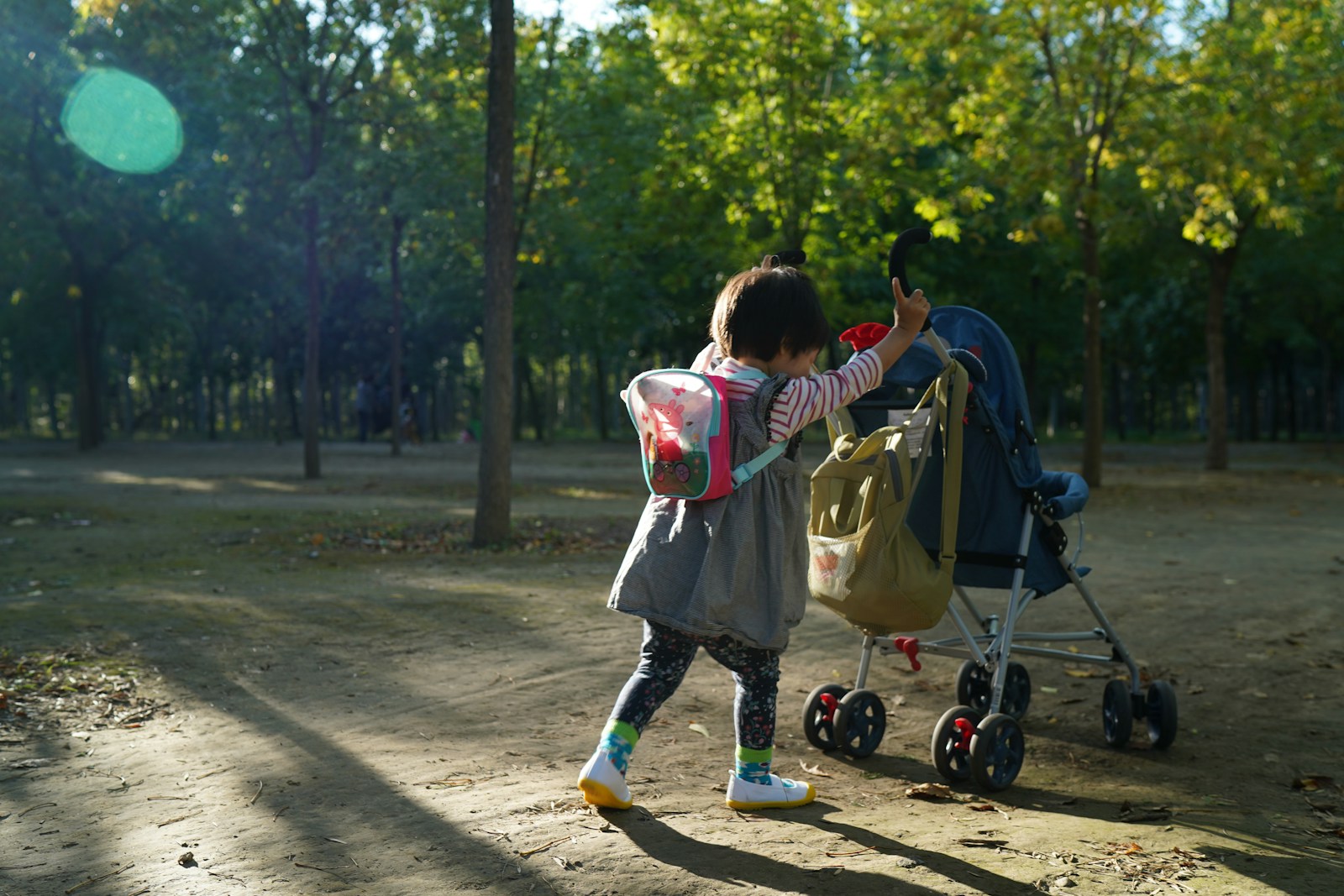
When Should a Child Stop Using a Stroller? (Complete Parent Guide)
At some point, every parent faces the same confusing question: when should a child stop using a stroller?
At first, the stroller feels like a lifesaver. It gives you freedom, keeps your baby safe, and makes everyday errands manageable. Whether you’re navigating busy streets, shopping, or going on long walks, a stroller becomes part of your daily routine.
But as your child grows, things start to change.
They want to walk more. They resist sitting for long periods. They get curious, independent, and sometimes even refuse the stroller completely. At the same time, you may still rely on it for convenience — especially during long outings, travel, or when your child gets tired.
This stage becomes even more important if you previously followed a structured buying process like the one explained in your guide on how to choose the right stroller for your lifestyle, because that decision directly affects how long your stroller remains useful.
Many parents also realize this transition phase only after investing in models highlighted in your breakdown of the best baby strollers in 2026, where long-term usability becomes a key factor. Others hold on longer than necessary, worried their child isn’t ready. And the truth is, there’s no one-size-fits-all answer — but there are clear signs, developmental stages, and practical guidelines that can help you make the right decision.
The real problem isn’t just about age — it’s about balancing independence with practicality. This raises an important concern many parents face — when should a child stop using a stroller, and how do you know you’re not stopping too early or too late?
Stop too early, and you may end up carrying a tired, cranky child everywhere. Wait too long, and your child may become overly dependent, resisting walking altogether.
This is especially important if you’ve already explored how different strollers fit your lifestyle in your guide on choosing the right stroller for your lifestyle, where long-term usability plays a big role.
Even parents comparing options in your breakdown of the best baby strollers in 2026 often overlook this stage — focusing only on buying the stroller, not when to transition away from it.
And if you travel often, like those using lightweight models from your best strollers for travel guide, you already know that convenience sometimes outweighs independence.
So what’s the right move?
In this guide, you’ll learn:
- The ideal age range to stop using a stroller
- Clear signs your child is ready
- Situations where you should still use a stroller
- The difference between dependency vs practical use
- And the best travel system strollers that grow with your child
By the end, you’ll have a clear, confident answer — not based on pressure, but on what actually works for you and your child.

Expanded Differences Section (9 Deep Sections)
1. Age Guidelines vs Real-Life Parenting
One of the biggest misconceptions parents have is that there is a strict age when they must stop using a stroller. In reality, the answer to when should a child stop using a stroller is not defined by age alone — it’s shaped by development, lifestyle, and daily routines.
Most children begin reducing stroller use between ages 3 and 5, but this is only a general guideline. Some children are physically capable of walking long distances earlier, while others still need support beyond that age.
The problem with relying only on age is that it ignores real-life situations.
For example, a 3-year-old may walk confidently at home or in short outings but struggle during long shopping trips or travel days. On the other hand, a 5-year-old might still need a stroller occasionally for long distances like airports or theme parks.
Parents who stop too early often face immediate challenges. Children get tired quickly, ask to be carried, or become irritable. This turns simple outings into stressful experiences.
At the same time, relying too heavily on a stroller can delay independence. Children may resist walking even when they are physically capable, simply because they are used to being pushed.
The key is balance.
Instead of focusing only on age, observe your child’s:
- Stamina
- Willingness to walk
- Ability to handle longer distances
- Emotional readiness
Pros of following flexible age guidelines
Allows natural transition
Reduces stress for both parent and child
Supports gradual independence
Cons
May create uncertainty without clear rules
Requires more observation and adjustment
Understanding when should a child stop using a stroller this helps you avoid unnecessary pressure and focus on what truly matters — your child’s readiness.
2. Physical Stamina vs Convenience
When deciding when should a child stop using a stroller, physical stamina becomes one of the most important factors.
Young children tire much faster than adults. What feels like a short walk to you may feel like a marathon to them. This is especially true in environments like malls, airports, or outdoor events.
Even if your child can walk independently, that doesn’t mean they can sustain it for long periods.
This is where many parents struggle. This stage is often where parents begin questioning what age should a child stop using a stroller based on real-life needs.
They assume that once a child can walk, the stroller is no longer needed. But in reality, walking ability and walking endurance are two completely different things.
A toddler may happily walk for 10–15 minutes, then suddenly become tired and demand to be carried. And carrying a growing child is far more exhausting than pushing a stroller.
On the other hand, using a stroller purely out of convenience can limit your child’s opportunity to build stamina.
The solution is to use a hybrid approach:
- Let your child walk when they are energetic
- Use the stroller when they get tired
This gradual transition helps build endurance without creating stress.
Pros of balancing stamina and convenience
Encourages physical development
Reduces meltdowns during outings
Maintains flexibility
Cons
Requires patience and planning
May slow down your routine
This approach aligns perfectly with long-term stroller planning, especially if you chose a model designed for growth as discussed in your convertible stroller guide.
3. Emotional Readiness and Independence
Another key factor in determining when should a child stop using a stroller is emotional readiness.
Some children crave independence early. They want to explore, walk freely, and feel in control of their environment. Others prefer the comfort and security of a stroller for longer.
Neither is wrong.
Forcing independence too early can create resistance. A child who feels pushed may become more clingy or frustrated. These situations clearly show that when to stop using a stroller depends more on lifestyle than strict age rules.
At the same time, avoiding independence entirely can delay confidence.
The goal is to encourage independence without forcing it.
You can do this by:
- Letting your child walk in safe environments
- Giving them choices (walk or ride)
- Praising their efforts when they walk
Pros
Builds confidence
Encourages exploration
Supports emotional development
Cons
Progress may be slower
Requires consistency
Emotional readiness is just as important as physical ability — and often overlooked.
4. Short Trips vs Long Outings
Not all outings are equal, and this plays a huge role in answering when should a child stop using a stroller.
For short trips, many children can walk comfortably without any issues. These include:
- Visiting a nearby shop
- Playing in the park
- Walking short distances
However, long outings change everything.
Situations like:
- Airports
- Shopping malls
- Travel days
- Events
These require significantly more energy.
Even older children may struggle in these scenarios.
Pros of using stroller for long outings
Prevents exhaustion
Maintains routine
Reduces stress
Cons
May delay full transition
Adds extra gear
This is why many parents keep a stroller longer than expected — not out of necessity, but practicality.
5. Safety Considerations
Safety is another major factor when deciding when should a child stop using a stroller.
In crowded or high-traffic areas, strollers provide a controlled and secure environment for your child.
Situations where safety matters most include:
- Busy streets
- Airports
- Events
- Parking lots
Even independent walkers can become distracted or overwhelmed in these environments.
Pros
Keeps child secure
Reduces risk of accidents
Provides peace of mind
Cons
May limit independence in safe areas
Safety should always come first.
6. Travel Needs vs Daily Use
Travel changes everything when it comes to stroller use.
Even if your child has mostly transitioned away from a stroller, travel situations often require bringing it back. Many parents only realize later that when should kids stop using a stroller is not a one-size-fits-all answer.
This is especially true for:
- Flights
- Long-distance trips
- Theme parks
Pros
Eases long-distance movement
Reduces fatigue
Keeps schedule smooth
Cons
Extra item to carry
This is why many parents still use strollers beyond age 4 during travel.
7. Parent Lifestyle and Routine
Your lifestyle heavily influences when should a child stop using a stroller.
Urban parents, for example, may rely on strollers longer due to walking distances, while others may transition earlier.
Pros
Adapts to real-life needs
Reduces stress
Cons
No universal timeline
8. Child’s Willingness vs Resistance
Some children naturally outgrow strollers, while others resist.
Forcing either direction can create frustration.
Pros
Respects child’s pace
Encourages cooperation
Cons
May take longer
9. Transitioning Gradually (Best Approach)
The best solution is gradual transition.
Start by reducing stroller use step by step instead of stopping suddenly.
Pros
Smooth adjustment
Less resistance
Better long-term results
Cons
Requires consistency

Best Travel System Strollers
1. Chicco Bravo 3-in-1 Travel System
The Chicco Bravo 3-in-1 Travel System is one of the most reliable options for parents who want a stroller that grows with their child, making it highly relevant when thinking about when should a child stop using a stroller. Instead of needing multiple upgrades, this system adapts from infancy into toddlerhood, allowing you to extend usage without sacrificing comfort or safety.
This stroller is designed with long-term practicality in mind. It includes a car seat for newborns and transitions into a full stroller as your child grows. This makes it especially useful for parents who want a single investment that lasts through multiple stages of development.
Comfort is a major strength. The seat is well-padded, offers multiple recline positions, and provides strong support even for older toddlers. This is important because children who are transitioning away from strollers may still need occasional rest during long outings.
The storage basket is large enough to handle everyday essentials, which makes it practical for shopping trips or travel. The canopy provides solid sun protection, helping your child stay comfortable outdoors.
However, it is slightly heavier than lightweight strollers, which may make it less ideal for quick errands or travel.
Pros
Long-term usability
Comfortable seating
Large storage basket
Reliable build quality
Cons
Heavier than compact models
Bulkier for travel
2. Evenflo Pivot Modular Travel System
The Evenflo Pivot Modular Travel System is one of the most versatile choices for parents who want flexibility as their child grows, making it highly relevant when thinking about when should a child stop using a stroller.
This stroller is designed to adapt through multiple stages, starting from infancy with a car seat and transitioning into a toddler stroller with different seating configurations. This flexibility is crucial because the transition away from stroller use is rarely sudden — it happens gradually over time.
One of the standout features is its reversible seat. Parents can switch between parent-facing and forward-facing modes, which helps support emotional development. Younger babies feel secure facing you, while older toddlers enjoy exploring the world.
Comfort is well addressed with a padded seat and multiple recline positions. As your child approaches the stage where you’re questioning when should a child stop using a stroller, this comfort becomes important during long outings when they may still need rest.
Storage is generous, allowing you to carry essentials without hassle. This aligns well with the practical needs discussed in your guide on how to choose the right stroller for your lifestyle, where convenience plays a major role.
However, this stroller is slightly bulkier than lightweight models, which may make it less ideal for quick errands or travel.
Pros
Highly versatile design
Multiple seating configurations
Good storage capacity
Affordable compared to competitors
Cons
Bulkier than compact strollers
Heavier for long pushing sessions
3. Graco Modes 3 Lite DLX Travel System
The Graco Modes 3 Lite DLX Travel System is a practical and long-term solution for parents navigating the transition phase of when should a child stop using a stroller.
This stroller stands out because of its adaptability. It offers multiple riding options, including infant car seat mode, infant stroller mode, and toddler stroller mode. This makes it ideal for parents who want one system that evolves with their child.
As your child grows, the stroller continues to provide value. Even when your child begins walking independently, you can still rely on it during long outings, which is exactly the scenario many parents face when deciding when should a child stop using a stroller.
The seat is comfortable and includes reclining options, allowing your child to nap during extended trips. This is especially useful in situations similar to those described in your best strollers for Disney World guide, where children need breaks throughout the day.
Storage is another strong point. The large basket can hold diaper bags, snacks, and other essentials, reducing the need for extra carrying.
However, like many travel systems, it is slightly heavier and takes up more space.
Pros
Multiple riding configurations
Long-term usability
Comfortable for naps
Large storage basket
Cons
Heavier than lightweight models
Takes up more space
4. Baby Trend EZ Ride 35 Travel System
The Baby Trend EZ Ride 35 Travel System is a budget-friendly option that still delivers essential features for parents navigating when should a child stop using a stroller.
This stroller is designed for simplicity and practicality. It includes a car seat and stroller combo, making it suitable for newborns and continuing into toddlerhood.
One of its key advantages is affordability. Many parents are hesitant to invest heavily in a stroller when they know their child will eventually outgrow it. This makes this model a smart entry-level option.
The seat is comfortable enough for everyday use, with reclining positions that support naps during outings. As your child transitions toward independence, having a reliable stroller for occasional use becomes very important.
The storage basket is decent, allowing you to carry essentials easily.
However, it lacks some premium features such as advanced suspension or ultra-lightweight design.
Pros
Affordable
Easy to use
Includes car seat
Good for everyday errands
Cons
Basic features
Not as durable as premium models
5. Safety 1st Smooth Ride Travel System
The Safety 1st Smooth Ride Travel System is another solid choice for parents who want reliability while navigating the question of when should a child stop using a stroller.
This stroller is designed with simplicity and functionality in mind. It provides a smooth ride on everyday surfaces, making it suitable for routine use such as shopping or прогулки.
The seat includes multiple recline positions, ensuring your child remains comfortable even as they grow older and begin transitioning away from full-time stroller use.
One of its strongest advantages is ease of use. The stroller is simple to fold and maneuver, which makes it convenient for busy parents.
It also aligns well with recommendations from your best baby strollers in 2026 guide, where practicality and reliability are key factors.
Pros
Smooth ride
Easy to use
Comfortable seating
Affordable
Cons
Limited premium features
Average durability
6. Maxi-Cosi Zelia 5-in-1 Modular Travel System
The Maxi-Cosi Zelia Travel System is a premium option for parents who want comfort and style while managing when should a child stop using a stroller.
This stroller offers a 5-in-1 modular design, making it extremely versatile. It adapts from infancy through toddlerhood, supporting your child during every stage.
Comfort is one of its strongest features. The seat is plush, well-padded, and designed for long use. This becomes particularly important when your child is transitioning away from stroller dependency but still needs occasional rest.
The sleek design and high-quality materials also make it appealing for parents who value aesthetics.
However, it comes at a higher price point.
Pros
Premium comfort
Stylish design
Multiple configurations
Smooth ride
Cons
Expensive
Slightly bulky
7. Britax B-Lively Travel System
The Britax B-Lively Travel System is known for safety and durability, making it a strong option during the transition stage of when should a child stop using a stroller.
This stroller features a lightweight frame combined with strong build quality. It offers a smooth ride and excellent maneuverability, which is helpful for both short and long outings.
The seat is comfortable and reclines easily, supporting naps when needed.
It also connects well with insights from your best strollers that grow with your baby guide, where long-term usability is emphasized.
Pros
Strong safety features
Lightweight frame
Smooth ride
Reliable brand
Cons
Limited storage
Mid-range price
8. Doona Car Seat & Stroller (Hybrid)
The Doona is a unique hybrid that combines a car seat and stroller into one unit.
It’s perfect for early stages but also plays a role when considering when should a child stop using a stroller, especially for convenience during travel.
Its biggest advantage is simplicity — no need to switch between car seat and stroller.
However, it has a shorter usability period compared to full travel systems.
Pros
Ultra-convenient
Compact
Perfect for travel
Cons
Limited lifespan
Expensive
9. Nuna TAVO Next Travel System
The Nuna TAVO Next is a premium stroller designed for comfort and long-term use.
It’s ideal for parents who want a high-end option while navigating when should a child stop using a stroller.
The suspension system ensures a smooth ride, and the seat is extremely comfortable.
Pros
Premium quality
Smooth ride
Comfortable
Cons
Expensive
FAQ Section
1. When should a child stop using a stroller?
Most parents begin asking when should a child stop using a stroller between ages 3 and 5, but the right time depends on your child’s stamina, independence, and daily routine.
2. Is it normal for a 4-year-old to use a stroller?
Yes, especially for long outings or travel.
3. Can a child become too dependent on a stroller?
Yes, if overused without encouraging walking.
4. Should I stop stroller use completely at once?
No, gradual transition works best.
5. Do older kids still need strollers for travel?
Yes, especially for long-distance walking.
6. What are signs my child is ready?
Willingness to walk, improved stamina, less resistance.
7. Is it okay to use a stroller occasionally?
Yes, especially for convenience and safety.
Conclusion
Deciding when should a child stop using a stroller is not about following strict rules — it’s about understanding your child, your lifestyle, and finding the right balance between independence and practicality.
Every child develops differently.
Some are eager to walk early, exploring everything around them with confidence. Others take more time, preferring the comfort and security of a stroller. Both are completely normal.
What matters most is not rushing the process.
Stopping stroller use too early can create unnecessary stress. You may find yourself carrying a tired child, dealing with meltdowns, or cutting outings short. On the other hand, holding on too long without encouraging independence can slow down your child’s development and confidence.
The key is gradual transition.
Start by allowing your child to walk during short, manageable outings. Observe their stamina, their mood, and their willingness. As they grow stronger and more independent, you can slowly reduce stroller use.
At the same time, don’t feel guilty about using a stroller when it makes sense.
Long trips, busy environments, and travel situations are valid reasons to keep using one — even for older children. In these cases, a stroller is not a limitation, but a tool that makes life easier for both parent and child.
This is why choosing the right stroller from the beginning matters.
If you selected a model that grows with your child — like those discussed in your guides on convertible strollers or travel systems — you’ve already set yourself up for a smoother transition.
Ultimately, understanding when should a child stop using a stroller is less about age and more about balancing independence with practicality.
Because at the end of the day, parenting is not about rigid timelines — it’s about creating experiences that are manageable, enjoyable, and supportive for both you and your child.
And when you find that balance, the transition away from the stroller happens naturally.